
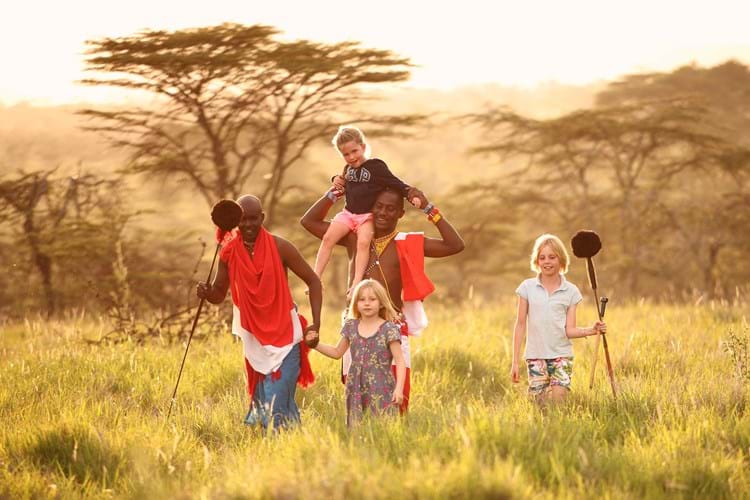
Tanzania is a year-round safari destination, but the best time to visit depends on the wildlife experiences, weather and budget you prefer. Each season offers something unique, from the Great Migration and calving season to quiet game drives through beautiful green landscapes.
June to October: Best for Wildlife Viewing
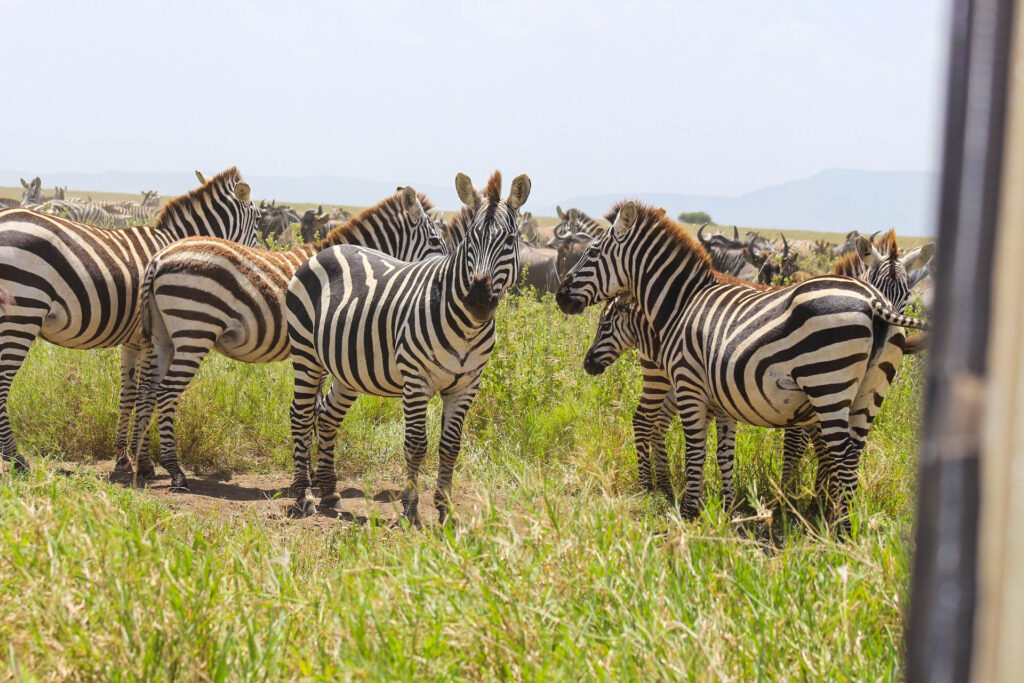
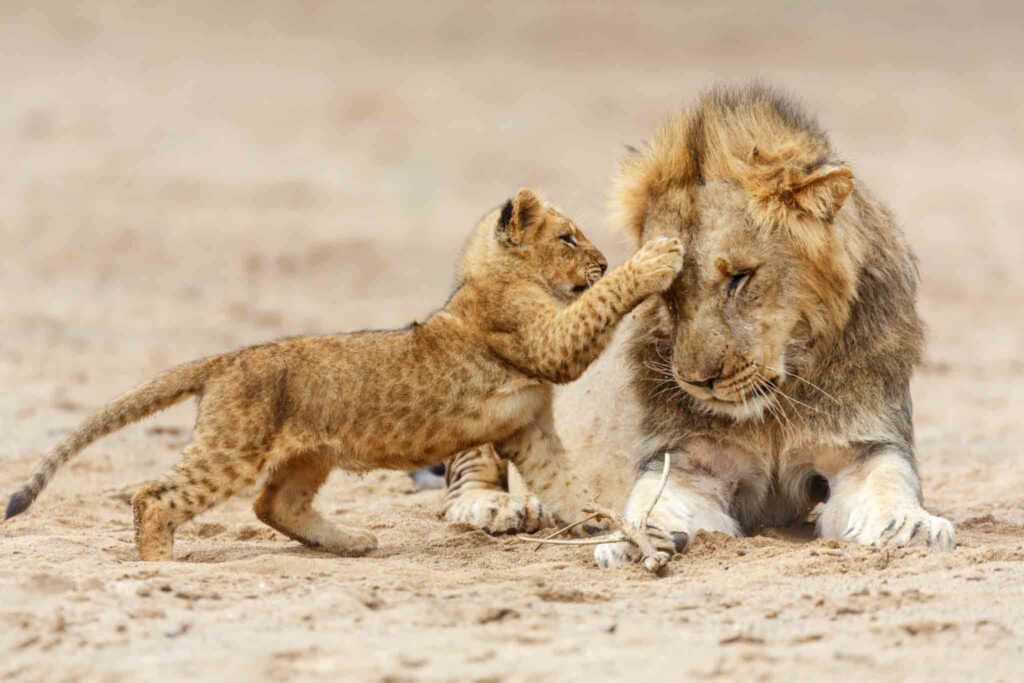
The dry season, from June to October, is generally considered the best time for a Tanzania safari. Animals gather around rivers and waterholes, while the thinner vegetation makes them easier to spot.
This period is ideal for visiting Serengeti National Park, Ngorongoro Crater, Tarangire National Park, Ruaha and Nyerere National Park. July to October may also provide opportunities to witness the Great Migration river crossings in northern Serengeti.
Because this is the peak safari season, parks can be busy and accommodation prices are usually higher.
January to February: Best for the Calving Season
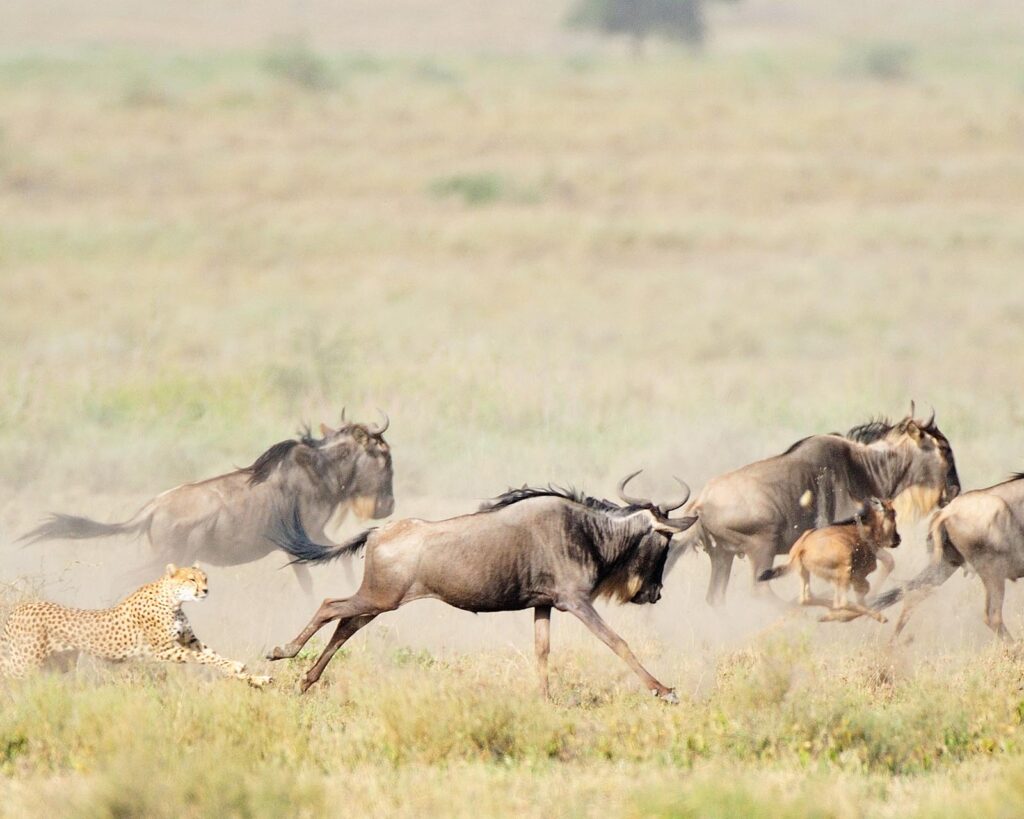
January and February are excellent months to visit southern Serengeti and the Ndutu region. During this period, thousands of wildebeest calves are born across the short-grass plains.
The newborn animals attract predators such as lions, cheetahs and hyenas, creating exciting wildlife encounters. The green landscapes also provide excellent conditions for photography.
March to May: Best for Fewer Crowds
March to May is Tanzania’s main rainy season. The parks become green and beautiful, visitor numbers decrease and some lodges offer lower rates.
Although heavy rain can make certain roads difficult to navigate, this season is ideal for travellers seeking peaceful safari experiences, birdwatching and affordable accommodation.
November to December: Best for Green-Season Safaris
The short rains usually arrive between November and December. They refresh the landscapes without normally affecting an entire day of safari activities.
This season offers fewer crowds, abundant birdlife and wonderful photography opportunities. The Great Migration herds also begin returning towards southern Serengeti in preparation for the next calving season.
Best Time to See the Great Migration
The Great Migration is a year-round movement, but its location changes according to rainfall:
- January–February: Calving in southern Serengeti and Ndutu
- March–June: Herds move through central and western Serengeti
- July–October: Possible river crossings in northern Serengeti
- November–December: Herds return towards the southern plains
Because the migration follows rain and fresh grass, its exact timing cannot be guaranteed.